

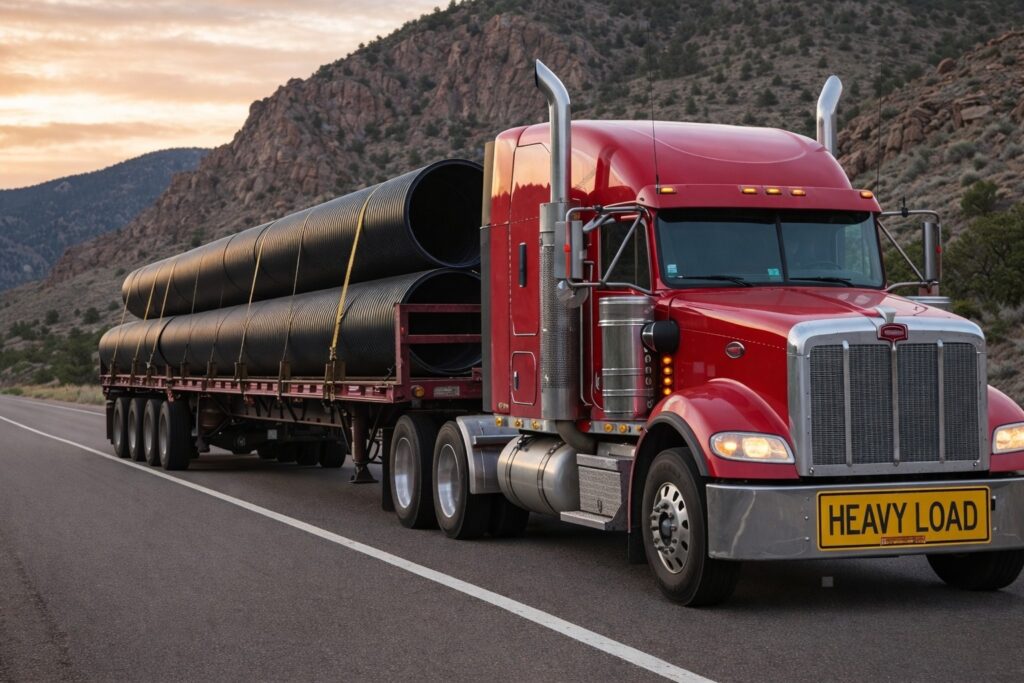
Flatbed work might seem easy at first. You load the freight, secure it, and hit the road. But when you face your first steel load in the rain, and your tarp catches the wind, you quickly learn that flatbed driving takes real skill and there are no shortcuts.
To succeed as a flatbed owner operator, you need more than just confidence and physical strength. You need solid securement habits, a focus on safety, and the ability to plan routes that keep you legal and safe. This guide will walk you through the key skills, safety tips, and training that pay off quickly when you start hauling steel and machinery.
Why Flatbed Skills Matter More When You Own The Truck
When you drive for a company, mistakes can be costly, but the company usually takes the biggest hit. As an owner operator, though, every problem affects your bottom line. A single shifted load can ruin cargo, damage your trailer, and leave you with a claim that sticks with you. Missing a height restriction can damage your tarp system, scrape your load, or cause even bigger issues.
Carriers and shippers understand these risks. They expect you to show up prepared and know how to secure your load without extra help. That’s why flatbed owner operator jobs usually have strict onboarding, safety checks, and higher standards than many dry van jobs.
Securement Basics: The Non-Negotiables
Flatbed securement starts with one rule: you must keep the load from moving in any direction. Forward, backward, sideways, and up. Everything else builds on that.
Know Your Working Load Limit
Each strap, chain, binder, and anchor point has a Working Load Limit (WLL). The total WLL of your tie downs must meet or be greater than what your load needs. Don’t guess—calculate it and double check your numbers.
New drivers often worry about how many straps they use. Experienced drivers pay more attention to whether their equipment fits the freight and if the tie downs are at the right angles with solid anchor points.
Use The Right Tie Down For The Freight
Straps are best for lumber, pallets, lighter loads, and items with good edge protection. Chains and binders are better for steel coils, heavy machinery, or anything that might cut a strap or crush a weaker setup.
If you’re unsure, use chains for heavy or sharp loads, and use straps for lighter or delicate loads with the right protection.
Protect Your Straps And Your Freight
Steel edges can quickly wear through straps. Machinery corners can cut them, and even lumber can damage a strap from vibration if you skip edge protection.
Carry a solid supply of:
- Edge protectors
- Corner protectors
- Friction mats when needed
- Extra sleeves or padding for sharp points
Spending a little on these items can save you a lot of trouble later.
Build A Consistent Securement Routine
Most mistakes happen when new drivers rush or make things up as they go. Create a routine and stick to it every time.
A simple routine looks like this:
- Inspect deck, rub rails, winches, stake pockets, and D rings
- Plan strap and chain placement before you throw anything
- Secure the load with correct WLL and correct tie down angles
- Tighten in stages, then re check everything
- Stop within the first 50 miles and re tighten
- Check again every break and after weather changes
Following a routine will do more for your safety as an owner operator than any special tool.
Chains And Binders: Steel And Machinery Essentials
Hauling steel and machinery is what sets serious flatbed drivers apart from those who only want easy loads.
Pick The Right Chain Grade And Size
Heavy freight usually needs a transport-grade chain that meets industry standards, not the kind you find at a hardware store. You also need the right size chain for the weight and anchor points. Don’t assume all chains are equal. If you buy cheap, you risk failure, and with steel, you don’t get a second chance.
Understand Binder Types And Safe Handling
There are two main types of binders: lever binders and ratchet binders. Many experienced drivers like ratchet binders because they offer better control and lower the risk of kickback.
Whatever you use, focus on safe handling:
- Keep your body out of the line of fire
- Avoid over-tightening to the point of equipment damage
- Use cheater bars responsibly and legally
- Inspect binders for cracks, bent handles, and worn threads
If a binder looks worn or damaged, replace it. Spending fifty dollars on a new binder is much cheaper than dealing with a claim.
Control Movement With Proper Placement
Chains need to do more than just hold the weight down—they should also stop the load from sliding. Use the right angles and patterns. Cross-chaining helps control side-to-side movement if the load allows it. Direct tie-downs can secure machinery when used with the right attachment points.
Learn these patterns during your flatbed training as an owner operator. Don’t wait until you’re at a busy shipper with trucks lined up behind you.
Tarping Tall Or Odd Loads Without Getting Hurt
Tarping might seem like a hassle until you do it wrong and get hurt. Many new owner operators don’t realize how much tarping affects safety, time, and fatigue.
Choose Tarps That Fit Your Freight
Bring tarps that fit the loads you plan to haul. Steel tarps are different from lumber tarps. If you’re hauling machinery, you might need extra tarps or custom covers. Oversized tarps might seem helpful, but they can catch the wind and slow you down.
Use Safe Tarping Techniques
Tall or oddly shaped loads can be dangerous to tarp. Having a good process helps lower the risk.
- Stage your tarp, bungees, and straps before you climb
- Use three points of contact whenever possible
- Avoid jumping from the load to the ground
- Do not walk backward on a load
- Stop tarping when wind makes it unsafe, then wait it out
Bring The Right Gear
You can improve safety and speed with the right tools:
- Lightweight tarp straps and bungees
- Tarp corner protectors
- A decent tarp ladder or safe access method
- Gloves that grip and protect
- Rain gear that keeps you functional in bad weather
If you tarp your loads the right way, you protect both yourself and your business.
Reading Bridge Laws And Staying Legal
Flatbed loads, especially with steel or machinery, can quickly bring you close to weight limits. That’s why knowing bridge laws and how to distribute weight is an essential skill, not just a bonus.
Know Axle Weights And Load Placement
Many new drivers focus only on the total weight. But scales check axle weight. Where you place the load on the deck affects your steer, drive, and trailer axles.
Work with shippers as you load. If the load is too far forward or back, fix it before you leave. Don’t take chances and hope the scale is in your favor.
Understand State Differences
Bridge formulas and weight limits change from state to state. This is important if you’re driving through several states on one trip. You need a route plan that keeps you legal, especially with heavy loads.
Planning safe routes protects both your time and your business. One overweight ticket can be expensive and damage your record.
Route Planning For Flatbed Owner Operators
Planning routes for flatbed loads is about more than just finding the shortest way.
Plan For Height, Weight, And Restrictions
Steel and machinery can be taller than you think, especially on a step deck with tall loads. Always know your exact height—measure it instead of guessing.
A strong plan includes:
- Verified height and width
- Known weight and axle distribution
- Restricted roads and bridges avoided ahead of time
- Safe places to stop and check securement
Think About Weather And Wind
Wind has a bigger impact on flatbeds than on vans. Strong crosswinds can rip tarps, move light loads, and make bridges and open highways more dangerous. Always check the weather, especially before long bridge crossings or driving across open plains.
Build A Safe Stop Routine
Plan your stops so you can do safety checks. Flatbed safety gets better when you schedule:
- A stop within the first 50 miles
- A securement check after major temperature swings
- A check after heavy rain or snow
- A check after rough roads or construction zones
These checks aren’t a waste of time. They save you money and help prevent serious problems.
Safety Checks And Professional Habits That Carriers Notice
Carriers with good flatbed owner operator jobs want drivers who are reliable and consistent. They look for people who pass inspections and keep claims to a minimum.
Here are habits that help you stand out:
- Pre trip inspections that catch problems early
- Clean securement gear that stays organized
- Accurate logbook management
- Calm communication with shippers and dispatch
Most companies hiring for flatbed owner operator jobs want more than just a CDL. They look for drivers who know securement, can pass tough safety checks, and have a clean FMCSA record.
Flatbed Training For Owner Operators: What To Focus On
You do not need endless training. You need training that targets the real risks.
Focus your flatbed training for owner operators on:
- Tie down calculations and WLL
- Chain and binder safety and patterns
- Tarping technique and risk reduction
- Weight distribution and scaling strategy
- Load specific securement for steel, coils, machinery, and lumber
- Route planning with height, weight, and restrictions
If you focus on these areas before hauling your first heavy load, you’ll avoid most early mistakes.
Final Thoughts: Flatbed Is A Skill Game
Flatbed work pays well because it requires real skill. Shippers trust you with loads that can cause serious damage if handled wrong. When you master securement, chains and binders, tarping, bridge laws, and route planning, you become the kind of driver carriers want to keep.
If you want long-term success as a flatbed owner operator, don’t just go after the first load that looks profitable. Build your skills first. This way, you protect your record, your equipment, and keep more money in your pocket each month.