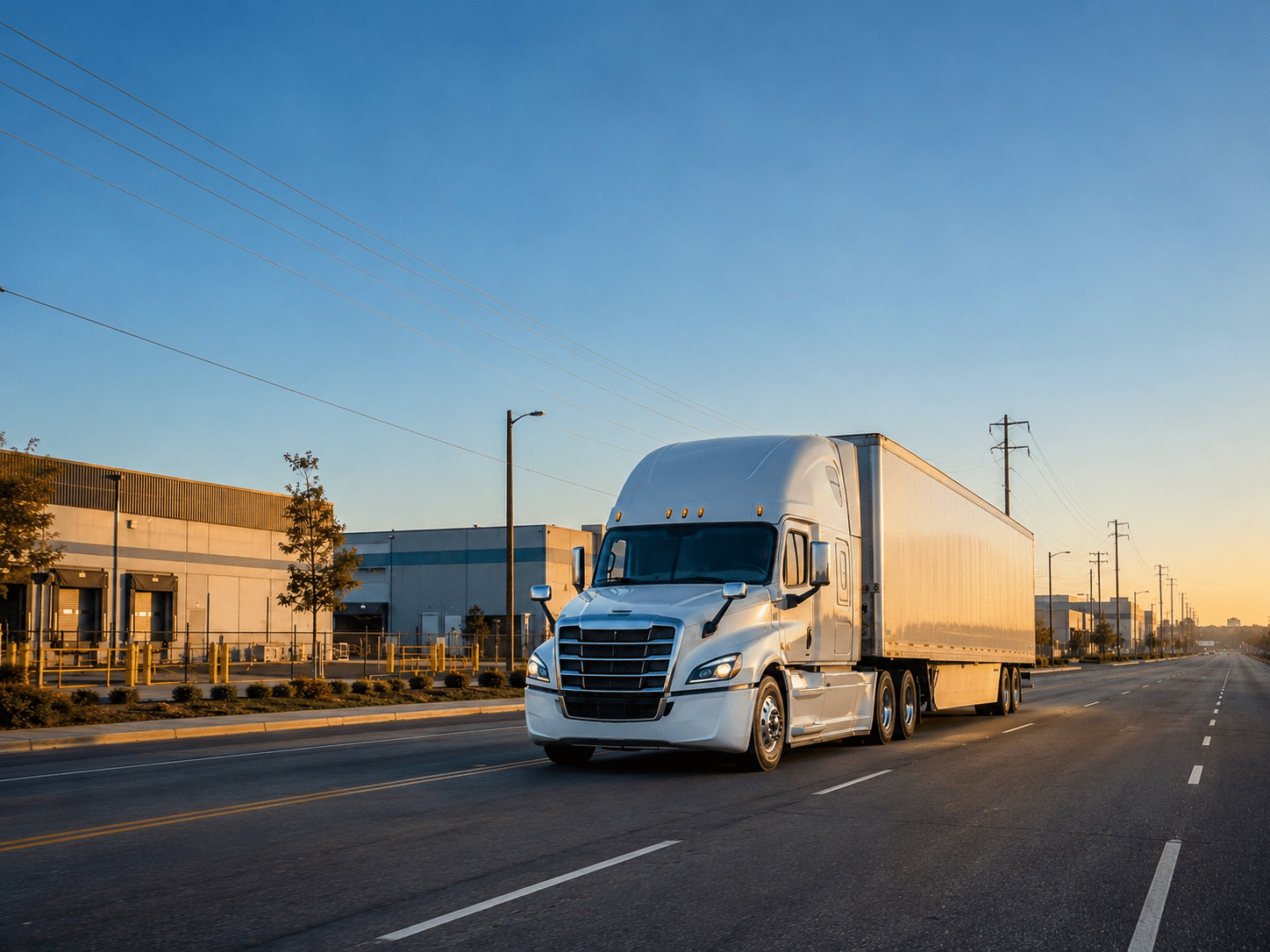
Local routes can give owner operators a way to stay closer to home while still running a business-minded trucking operation. For drivers comparing local work, regional freight, and OTR CDL jobs, the best choice usually comes down to freight type, schedule expectations, operating costs, and the kind of customers or carriers you want to work with. This guide explains how local opportunities work, what to look for, and how to evaluate jobs without focusing only on the headline rate.
Local work for owner operators usually means freight that starts and ends within a defined metro area, industrial corridor, port region, construction zone, or distribution network. Instead of spending weeks on the road, you may return home most nights, serve repeat shippers, and build a routine around shorter hauls. The tradeoff is that local freight can involve more stops, tighter appointment windows, city traffic, loading delays, and careful cost control because revenue depends on efficient daily turns.
For many independent drivers, local work is attractive because it feels more predictable than long-haul freight. You may know your lanes, understand customer sites, and reduce some road expenses such as meals, hotels, and extended time away. Still, “local” does not automatically mean easy or more profitable. The strongest opportunities usually match your equipment, endorsements, experience, insurance requirements, and preferred pace of work.
If you are actively comparing options, start with a broad view of local owner operator opportunities before narrowing your search by freight type or location.
Running local freight changes the way you plan your week. In OTR work, revenue often comes from longer loaded miles and careful trip planning across states. In local operations, revenue may depend more on turns per day, detention policies, fuel efficiency in traffic, and how quickly freight is loaded or unloaded.
That rhythm can help if you want more control over your home time. It can also be demanding because local drivers often deal with frequent check-ins, dock congestion, jobsite conditions, and dispatch changes. The most successful owner operators treat local routes like a precision business: they track waiting time, deadhead miles, fuel use, maintenance, and the real cost of each load.
A practical way to evaluate local work is to ask what a normal day looks like, not just what the best day pays. How many loads are typical? How far are the pickup and delivery points? Are appointments set or first-come, first-served? Is weekend work common? These details help you estimate whether the lane fits your truck, your schedule, and your income goals.
Local opportunities vary widely, so it helps to understand the freight before signing on. A dry van route serving warehouses will feel very different from a flatbed job delivering materials to jobsites or a tanker route requiring special handling.
Common local freight categories include:
This is where smaller carriers can be worth a serious look. Small flatbed trucking companies, for example, may have strong local customer relationships and a more direct dispatch style. The right fit depends on communication, freight consistency, payment terms, and whether the company understands owner operator economics.
Local work typically offers more home time and route familiarity, while OTR CDL jobs may offer broader freight networks and more mileage. Neither is automatically better. The better option supports your income needs, lifestyle, equipment, and tolerance for uncertainty.
OTR may make sense if you prefer long stretches of driving, fewer daily loading points, and the ability to chase freight across markets. Local work may be a stronger fit if you want to sleep at home more often, build relationships with nearby customers, and reduce some travel-related expenses. However, local work can come with unpaid waiting, short-haul rate pressure, and more wear from stop-and-go driving.
Drivers often compare the two using a simple checklist:
If you are still open to longer routes, reviewing OTR CDL jobs alongside local options can help you see what you are gaining and giving up.
The phrase owner operator CDL salary can be misleading because owner operators are business owners, not company employees earning a simple paycheck. Gross revenue matters, but net income is what remains after fuel, insurance, maintenance, truck payments, permits, taxes, tires, tolls, parking, compliance costs, and downtime.
For local freight, the key is to understand how many revenue-producing moves you can complete in a day and how much unpaid time sits between them. A short run with great access, fast loading, and repeat daily volume may outperform a higher-paying load that burns hours in traffic or leaves you deadheading across town.
Use this quick-reference snapshot when reviewing an opportunity:
Before accepting any work, calculate your break-even number. Know what your truck must earn per day and per week before you can call the opportunity profitable. That clarity makes it easier to compare local offers, regional freight, and long-haul lanes on equal footing.
Local opportunity is shaped by where you operate. A metro area with warehousing and retail distribution may have many dry van or power-only moves. Energy regions may create demand for tankers, flatbeds, and heavy equipment. Growing cities may generate construction-related hauling, while manufacturing corridors may support dedicated industrial freight.
For example, drivers exploring truck driving jobs OKC may see a mix of distribution, energy, construction, and regional freight options depending on current demand and equipment type. Searching locally is useful, but it should be specific. Instead of only typing broad terms, combine location with your freight interest, such as tanker, flatbed, heavy haul, power-only, or owner operator.
You can also compare truck driving jobs OKC with nearby regional lanes if you are willing to run beyond the city. Sometimes a slightly wider operating radius opens better freight while still protecting home time.
Not every local owner-operator path is built for beginners. Many carriers, brokers, and shippers want proven experience before trusting a driver with specialized freight, customer sites, or independent operations. That does not mean new drivers have no options, but it does mean they should build a foundation before making expensive business commitments.
CDL graduate jobs can be a smart first step because they help new drivers gain supervised road experience, learn compliance habits, and understand how freight operations actually work. New drivers should focus on safety, backing skills, trip planning, customer communication, and equipment care before moving into ownership or specialized local freight.
If you are early in your career, review CDL graduate jobs and ask how the role prepares you for future opportunities. The best path is often gradual: gain experience, learn freight types, understand costs, then decide whether ownership and local work fit your long-term goals.
A local opportunity can look attractive in a short ad, but the details decide whether it works in real life. Before committing, ask questions that reveal the daily operating reality.
Important questions include:
Good companies should be able to answer clearly. If the conversation stays vague, slow down. A professional opportunity should make the work, expectations, and money understandable before you put your truck into the operation.
Local work for owner operators can be a strong path for drivers who want home time, repeat lanes, and a more familiar operating area. It can also be challenging when rates, wait times, or dispatch practices do not support the real cost of running a truck. The smartest approach is to compare freight types, ask practical questions, and judge each offer by net profit potential rather than surface-level appeal.
Whether you are weighing small flatbed trucking companies, local tanker routes, heavy haul, or regional alternatives, look for clear terms and freight that fits your equipment and experience. Local success comes from knowing your numbers, protecting your time, and choosing work that supports both your lifestyle and your business goals.
Most truck drivers do not automatically own the trucks they drive. Some drivers work for…
Flatbed transportation services help move freight that does not fit neatly inside a standard dry…
Truck driver pay can look simple from the outside, but the real number depends on…
A pre trip inspection checklist helps CDL drivers inspect a commercial motor vehicle before driving.…
Truck driver grants and training-assistance programs can help eligible applicants pay for CDL training, truck…
CDL points usually mean points added to a driver’s motor vehicle record after traffic violations.…