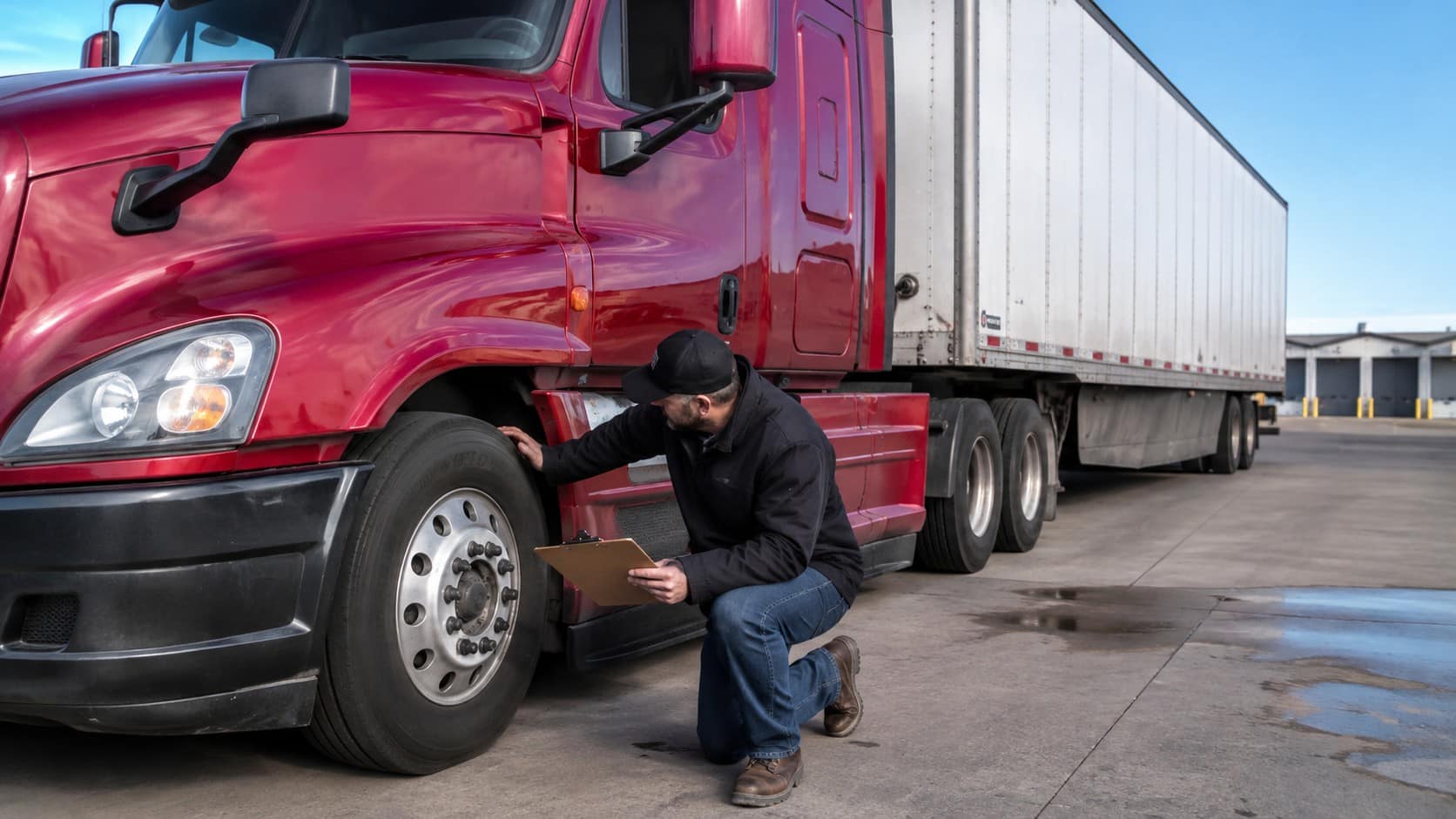
A pre trip inspection checklist helps CDL drivers inspect a commercial motor vehicle before driving. It covers brakes, tires, lights, steering, suspension, coupling, trailer connection, fluids, emergency equipment, and cargo securement.
For new CDL drivers, this inspection is more than a routine task. It protects the driver, the carrier, the load, and everyone else on the road. It also helps CDL students prepare for the CDL test pre trip inspection.
A pre trip inspection is a safety check of a truck, trailer, and key vehicle systems before a driver starts a trip. The driver looks for visible damage, unsafe parts, leaks, low fluid levels, worn tires, broken lights, loose components, brake problems, and cargo securement issues.
A truck driver pre trip inspection should be part of every professional driver’s routine. It helps confirm that the vehicle is safe to operate before it enters traffic.
A CDL pre trip inspection matters because small defects can become serious problems on the road. A damaged tire, weak brake system, broken light, loose air line, or faulty coupling connection can lead to a roadside inspection violation, delivery delay, out-of-service order, or accident.
A clear pre trip inspection checklist also helps drivers build a repeatable routine instead of relying on memory. Drivers who inspect their equipment carefully are better prepared for DOT inspections, carrier safety reviews, and daily driving responsibilities.
For more on daily work expectations, read Hora Express’ guide to truck driver duties and responsibilities.
Before starting the truck, drivers should check documents, permits, previous inspection reports, registration, insurance documents, route details, and load paperwork.
Inside the cab, check the seat belt, mirrors, windshield, wipers, horn, heater, defroster, dashboard warning lights, gauges, and emergency equipment. The fire extinguisher, warning triangles, and spare fuses should be present, secure, and ready to use.
Outside the truck, drivers should inspect the engine compartment, tires, wheels, lights, reflectors, steering system, suspension, frame, fuel tanks, air lines, electrical lines, and visible leaks.
In the engine compartment, check oil, coolant, power steering fluid, belts, hoses, wiring, and signs of fluid leaks. Tires should have proper tread, correct inflation, and no major cuts, bulges, or exposed cord. Wheels should have no missing lug nuts, cracks, or leaking seals.
Lights and reflectors should be clean, working, and properly mounted. This includes headlights, brake lights, turn signals, clearance lights, hazard lights, and reflective tape.
The trailer inspection should include the coupling system, air and electrical lines, landing gear, frame, doors, lights, tires, wheels, suspension, brakes, and cargo securement.
For a Class A CDL pre trip inspection, the coupling system is especially important. Drivers should check the fifth wheel, kingpin, locking jaws, release arm, apron, mounting bolts, and the space between the tractor and trailer. Air lines and electrical cords should not be dragging, pinched, cracked, or leaking.
Cargo must be secure before the vehicle moves. Dry van, reefer, flatbed, tanker, step deck, and other drivers may have different securement needs, but every driver should confirm that the load is safe and legal.
An air brake check usually includes checking air pressure buildup, governor cut-out and cut-in, air leakage, low air warning, parking brake, service brake, and trailer brake response.
Drivers should follow the process taught in their CDL training program and required by their state CDL examiner. Air brake mistakes are serious because brake failure can create immediate danger. A proper DOT pre trip inspection should never rush the brake system check.
The CDL test pre trip inspection checks whether the applicant can identify important vehicle parts and explain how to inspect them. CDL students may need to describe what they are checking and why each part must be safe.
This test prepares drivers for real work. Trucking companies expect drivers to understand equipment condition, report defects, and avoid preventable safety issues. For licensing basics, read Hora Express’ guide to CDL license requirements.
New drivers should avoid rushing, skipping the trailer, ignoring small leaks, forgetting lights, missing tire damage, and failing to check the coupling system. Another common mistake is treating the inspection as a memorized test only.
In real trucking, the inspection protects your license, job, truck, load, and safety record. Drivers applying for trucking jobs should also be ready to explain their safety habits. If you are looking for driving opportunities, start with the Hora Express application page.
Use this pre trip inspection checklist before each trip to reduce safety risks, avoid missed defects, and prepare for roadside inspections.
A good pre trip inspection checklist should be simple enough to use daily but complete enough to catch serious safety issues before the truck moves.
A CDL pre trip inspection is a safety check of a commercial motor vehicle before driving. It includes the truck, trailer, brakes, tires, lights, steering, suspension, coupling system, fluids, emergency equipment, and cargo securement.
A complete pre trip inspection often takes 15 to 30 minutes, depending on the vehicle, trailer, load, weather, and driver experience.
Skipping a pre trip inspection can lead to missed safety defects, roadside violations, out-of-service orders, delivery delays, accidents, and employer discipline.
Yes. CDL applicants usually complete a vehicle inspection section during the CDL skills test. The exact format can vary by state.
Brakes, tires, steering, lights, coupling, and cargo securement are among the most important parts because failures in these systems can create immediate safety risks.
Flatbed transportation services help move freight that does not fit neatly inside a standard dry…
Truck driver pay can look simple from the outside, but the real number depends on…
Local routes can give owner operators a way to stay closer to home while still…
Truck driver grants and training-assistance programs can help eligible applicants pay for CDL training, truck…
CDL points usually mean points added to a driver’s motor vehicle record after traffic violations.…
How do truck drivers find jobs in the United States? Truck drivers can find work…