
CDL drivers looking for jobs should start with fit, not speed. The best job is not just the first opening with a truck and a paycheck. It is the role that matches your CDL class, trailer type, route goals, experience level, and income target. At Hora Express, drivers can sort opportunities by equipment type and apply through dedicated job and application pages, rather than guessing where they fit.
Where should CDL drivers look for jobs first?
CDL drivers should start with carrier job pages, direct applications, load boards, and referrals from other drivers. Carrier sites help you find stable opportunities. Load boards help with speed. Referrals help with trust. A strong job search uses all three, but it should begin with the kind of freight you actually want to run.
Hora Express is a good example of that structure. Its site has a main Owner Operator Jobs page, a separate Apply page, and job-specific pages for dry van, flatbed, step deck, heavy haul, reefer, and conestoga work. That setup makes it easier for CDL drivers to compare opportunities without wasting time on jobs that do not match their equipment or goals.
What should CDL drivers look for in a job posting?
CDL drivers should look past the headline pay. A good posting should tell you what kind of freight you will haul, which trailer you need, what route options are available, what support the carrier offers, and what basic requirements you must meet. If a listing feels vague, you may end up learning the real terms too late.
Here are the details that matter most:
- CDL class and license requirements
- Trailer type and freight type
- Local, regional, or OTR routes
- Experience expectations
- Pay structure
- Support with permits, compliance, or dispatch
- Insurance or authority requirements for owner operators
On the Hora Express site, several job pages make those details clear. The dry van page lists a valid Class A CDL, a clean driving record, a truck, active DOT and MC numbers, liability and cargo insurance, and the ability to pass a DOT inspection. The Conestoga page also highlights CDL, experience, and a clean record.
Which type of trucking job is best for a CDL driver?
The right job depends on your equipment, your comfort level, and the kind of freight you want to handle every week. Not every CDL driver wants the same thing. Some want simple dry van loads. Others want flatbed work with more physical involvement. More experienced drivers may want a step deck or heavy haul for higher-skill freight.
Here is a simple breakdown:
| Job type | Best for | What to expect |
|---|---|---|
| Dry van | Drivers who want broad freight demand | Simpler freight handling and steady volume |
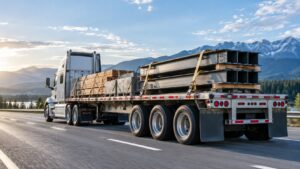
| Flatbed | Drivers comfortable with securement | More physical work and specialized loads |
| Step deck | Drivers hauling taller freight | Better fit for loads flatbeds cannot handle |
| Heavy haul | Experienced operators | More complexity and higher-skill freight |
| Reefer | Drivers okay with time-sensitive freight | Tight schedules and temperature-controlled loads |
| Conestoga | Drivers needing weather-protected open-deck freight | Niche freight with specialized equipment |
Hora Express markets each category separately, which helps CDL drivers avoid applying blindly. Its flatbed page talks about machinery, construction equipment, and oversized items, while its heavy haul page positions that work as more challenging and more rewarding.
Do CDL drivers need experience before applying?
Experience helps, but the exact requirement depends on the carrier and the freight type. Hora Express says that experience matters because it helps drivers handle long routes, customer expectations, and road challenges. Its heavy-haul and specialized pages also suggest that higher-skill freight demands more of the driver than standard work.
That means CDL drivers should not just ask, “Can I get hired?” They should ask, “Can I handle this freight well?” A job that matches your current skill level gives you a better chance to stay safe, earn consistently, and build toward higher-paying opportunities later.
Can Hora Express help CDL drivers who are looking for jobs?
Yes. Hora Express positions itself as a carrier that works with owner-operators across multiple equipment types and route styles. Its site says drivers can choose from local, regional, OTR, and long-haul options, depending on the specific job page and freight category. The company also offers support such as fuel discounts, freight access, dispatch help, compliance support, and a direct application path.
That matters because CDL drivers looking for jobs often waste time bouncing between generic job boards. A structured site with clear job categories can speed up the search and make the next step obvious. Hora Express also has an About page that says it supports both experienced owner operators and drivers who are just starting to grow in the business.
What mistakes should CDL drivers avoid when job hunting?
The biggest mistake is applying to everything without a plan. That approach leads to wasted time, poor job matches, and frustration. CDL drivers should narrow the search before they start sending applications.
Avoid these common mistakes:
- Ignoring trailer type
- Chasing only the highest posted rate
- Applying without reading the job requirements
- Skipping carrier research
- Overlooking route style and home time
- Taking freight that does not match your experience
- Relying on only one source for jobs
Strong CDL drivers treat the job search like a business decision. They compare fit, support, route structure, and long-term potential, not just the first number they see.
How should CDL drivers apply for jobs the smart way?
CDL drivers should start by choosing the freight they want, then compare carriers that already specialize in that work. After that, they should read the job requirements, prepare their documents, and apply directly through the carrier’s site when possible. A clean, direct application usually works better than a rushed one sent to twenty random listings.
Use this process:
- Pick your preferred freight type
- Match it to your trailer and CDL level
- Check route style and support options
- Review requirements carefully
- Apply to the best-fit carriers first
- Follow up and stay organized