
Heavy haul driver pay depends on the employer or contract, load, route, experience and time spent on specialized work. Employee wages and owner-operator revenue are different figures. Compare compensation only after accounting for unpaid time, expenses and who pays for permits and escorts.
How much do heavy haul truck drivers earn?
There is no single reliable salary for every heavy haul driver. The U.S. Bureau of Labor Statistics reports a median annual wage of $58,640 for the broader heavy and tractor-trailer driver occupation in May 2025. That is not a heavy haul-specific figure, and it should not be treated as owner-operator profit.
Ask an employer for its actual pay structure and recent examples. A job advertisement may quote a top earning figure, a weekly gross amount or a range that assumes unusually high miles. Request typical paid miles and the period covered.
What changes the pay?
Specialized equipment, load complexity, routes, travel restrictions and experience can affect the rate. Drivers may spend time securing cargo, waiting for permits, coordinating escorts or checking clearances. Ask whether those hours, overnight stays and delays are paid separately.
Employee or owner-operator?
An employee should compare wages, overtime eligibility, benefits, time away and reimbursed expenses. An owner-operator should start with gross revenue and subtract fuel, maintenance, insurance, truck payments, tires, permits, tolls and other costs assigned by contract. Set aside money for taxes and downtime before estimating take-home income.
For example, $10,000 in gross revenue is not $10,000 in profit. If the operating costs attributable to that work total $6,500, $3,500 remains before any other expenses and taxes. This is an illustration, not a typical industry rate.
What qualifications are needed?
The vehicle and load determine the applicable commercial license and endorsements. Employers may require a clean driving record, road experience, securement knowledge and training on specialized equipment. Additional state and permit conditions can apply to an oversized move.
Questions to ask before accepting a job
Who arranges permits and escorts? What happens when a route restriction causes a delay? Are securement, tarp work, overnight stays and deadhead paid? Who covers tire damage and roadside service? Get the answers in writing and verify the current rules for each route.
Source: U.S. Bureau of Labor Statistics, Heavy and Tractor-Trailer Truck Drivers, Occupational Outlook Handbook: https://www.bls.gov/ooh/transportation-and-material-moving/heavy-and-tractor-trailer-truck-drivers.htm
How are company heavy haul drivers paid?
A company may pay by the mile, hour, salary, percentage or a combination of methods. Each approach raises different questions. With mileage pay, ask whether the rate includes empty miles and what happens during waiting time. With hourly pay, ask when the clock starts and stops, and how the employer handles overnight stays.
A percentage arrangement requires a clear definition of the revenue used to calculate the share. Ask whether the percentage applies before or after specific fees, whether fuel surcharges are included and how the company documents the amount. A recruiter should be able to explain the calculation using an ordinary recent trip.
How much can delays change a week’s earnings?
Consider two hypothetical assignments that each advertise $2,000 in driver pay. One takes four days from dispatch through delivery. The other takes six days because of an extended wait and a restricted travel window. If the second assignment provides no additional compensation, the driver earns the same amount while using more available time.
The comparison is incomplete without benefits and expenses, but it shows why a rate alone can mislead. Ask about detention, layovers, weather delays, canceled loads and time spent at loading sites. Confirm whether approval is required and what documents you must submit to support a payment request.
What skills help a driver move into heavy haul?
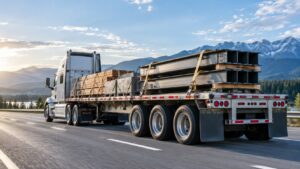
Many drivers build experience with standard tractor-trailers before pursuing specialized freight. Useful skills include trip planning, inspecting equipment, communicating with dispatch and understanding cargo securement. Drivers who work with open-deck freight may also need experience with chains, binders and load-specific securement methods.
A carrier’s requirements will vary with its equipment and customers. Ask whether it offers supervised training, what experience counts and whether the role involves operating specialized trailers. A commercial license alone does not establish that a driver has the practical experience for every load.
Why does planning take so much time?
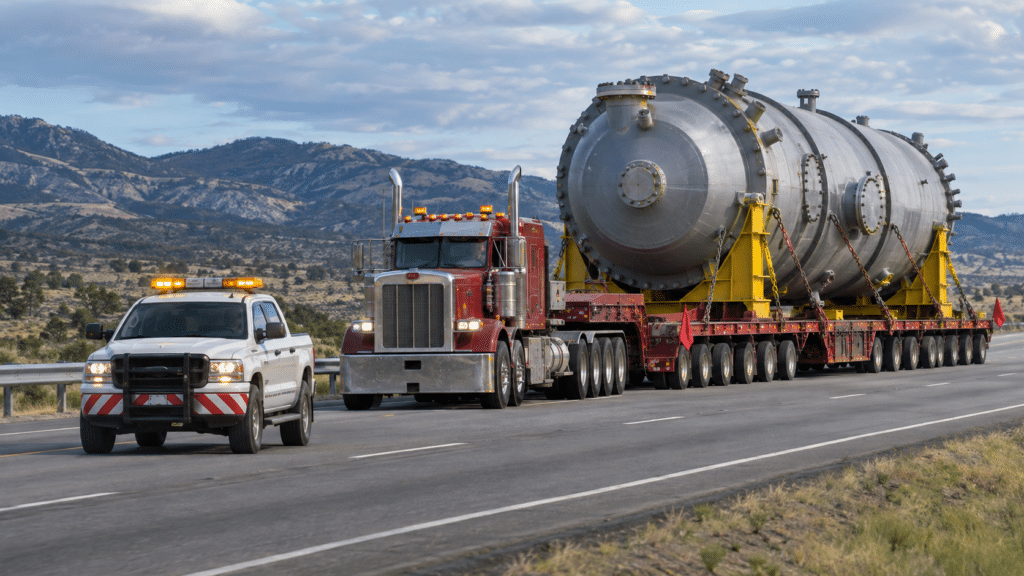
Oversize and overweight loads may need permits and routes that account for bridges, clearances, construction and local restrictions. Requirements differ by jurisdiction and the specific load. Escorts or restricted travel hours may apply under the permit. Drivers need to understand their assigned route and know whom to contact if conditions change.
A driver should never assume that a familiar route remains suitable after a load, permit or construction plan changes. Confirm dimensions and instructions with the carrier, and follow the permit and applicable authority requirements.
What should owner-operators include in a cost estimate?
Heavy haul equipment can create costs beyond fuel and a truck payment. Review the trailer, securement equipment, insurance, permits, tolls, tires, repair reserve and any escort or route-related charges assigned to your business. Some costs occur per trip; others continue even when the truck sits.
Keep separate records for revenue, recurring costs and load-specific expenses. Then compare the money left after expenses with the time the work requires. An accountant familiar with trucking can help you understand taxes and business records.
Before accepting an offer
Request a written explanation of compensation and deductions. Ask for an example that includes ordinary paid work, not only the best week. Confirm equipment requirements, available training, home time and the process for reporting a delay. A good offer should make the work and the math clear.
- How is pay calculated for loaded and empty miles?
- Who pays for permits, escorts and overnight stays?
- How are delays, securement and canceled loads compensated?
- What training and specialized equipment does the role require?